Demand for solar panels continues to grow across the UK as homeowners look for ways to reduce electricity bills and take more control over rising energy costs. However, not every solar PV system delivers the same financial result.
Some households achieve strong long-term savings, while others find the return on investment is slower than expected. The difference is rarely down to the panels alone. In most cases, the real performance of a system depends on roof suitability, electricity usage patterns, battery storage, export tariffs and the quality of the system design.
For homeowners comparing solar quotes, this is where the details matter.
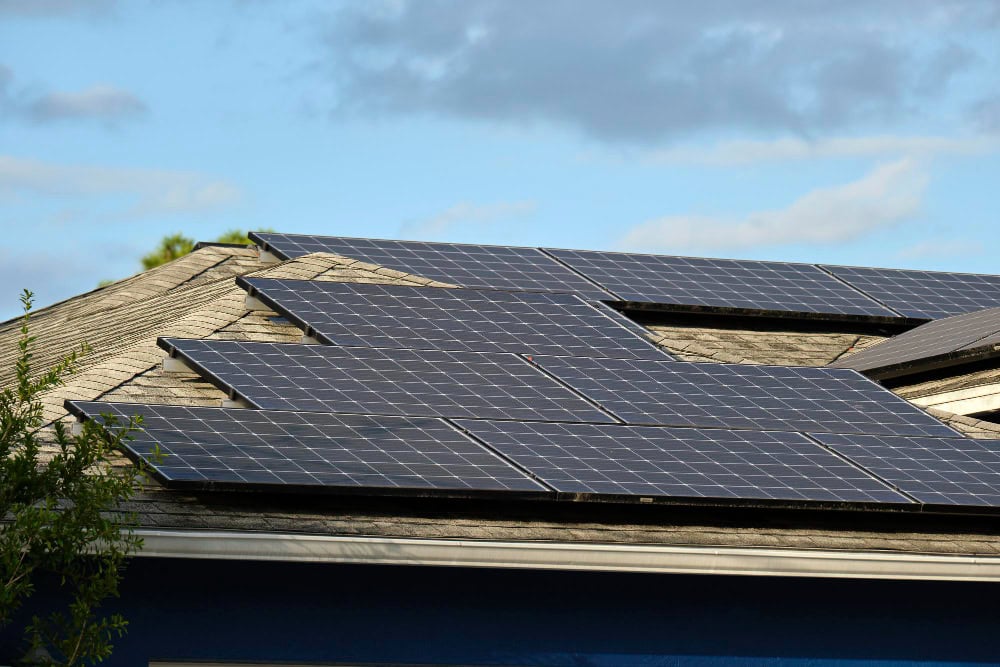
solar pv panels uk roof
Solar Panels Generate Electricity – But Timing Matters
One of the biggest misunderstandings around solar panels in the UK is that every unit of electricity generated has the same financial value.
It does not.
Solar panels generate most of their electricity during daylight hours. For many households, this is when electricity demand is relatively low because people are at work, children are at school and appliances are not being used heavily.
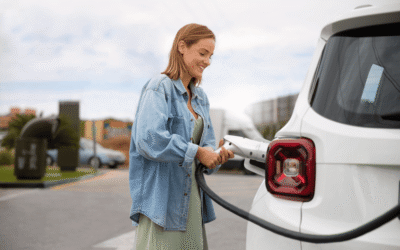
If the electricity is used in the home, for example for ev charger when charging the car, at the time it is generated, it can reduce the amount of electricity bought from the grid. If it is not used, it may be exported instead.
Exported electricity can still provide value through the Smart Export Guarantee, but export payments are usually lower than the cost of importing electricity from a supplier later in the day.
This is why using your own solar electricity is often more valuable than sending it back to the grid.
Self-Consumption Is One of the Most Important Factors
The term self-consumption refers to the percentage of solar electricity used directly within the property rather than exported.
Two homes can have the same number of solar panels, the same inverter size and the same annual generation. Yet one may achieve far better savings because it uses more of the electricity on-site.
For example, a household with someone at home during the day may use washing machines, dishwashers, computers, cooking appliances and heating controls while the panels are generating. Another household may generate a similar amount of electricity but export much more because the property is empty during peak generation hours.
The Energy Saving Trust highlights that savings from solar panels depend heavily on how much generated electricity is used in the home.
For this reason, the best solar designs are not simply based on roof space. They should also consider household energy behaviour.
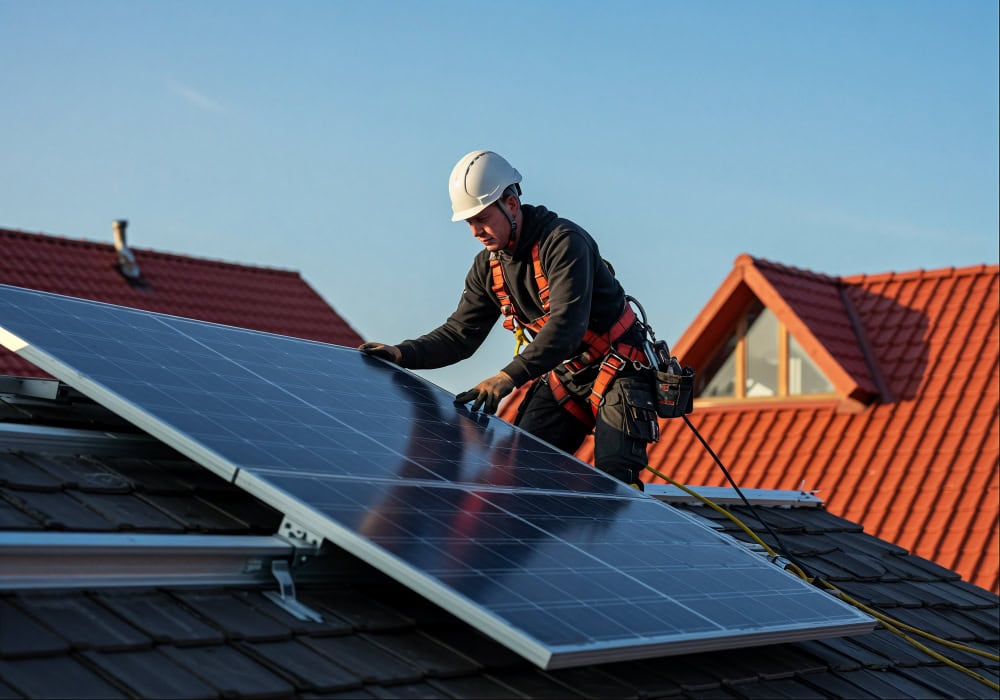
solar panells installation
Battery Storage Can Improve the Return
Solar battery storage can make a major difference to the economics of a solar panel system.
Without a battery, surplus electricity generated during the day is normally exported. With a battery, that excess electricity can be stored and used later, such as in the evening when household demand usually increases.
This can be particularly useful for homes where most electricity use happens outside daylight hours.
Battery storage may help reduce reliance on grid electricity during:
- Evening peak usage
- Early morning demand
- Periods of high electricity prices
- Shorter winter daylight hours
- Times when solar generation and household demand do not naturally match
The Energy Saving Trust guide to home batteries explains how battery systems can help households make better use of the renewable electricity they generate.
However, battery storage is not automatically right for every property. The battery needs to be correctly sized. An oversized battery may increase upfront costs without delivering proportionate additional savings, while an undersized battery may limit the benefit.
Roof Direction, Pitch and Shading Still Matter
A well-designed solar panel system starts with the roof.
In the UK, south-facing roofs are often considered ideal, but east and west-facing roofs can also perform well, particularly where electricity demand is spread across the morning and afternoon.
Key roof factors include:
- Orientation – which direction the roof faces
- Pitch – the angle of the roof
- Shading – from trees, chimneys, nearby buildings or roof features
- Available roof space – how many panels can be installed safely
- Roof condition – whether repairs may be needed before installation
Shading is particularly important. Even partial shading across one section of the array can reduce output if the system is not designed correctly.
This is where a proper survey matters. A quote based only on satellite images may not identify all the practical issues affecting the roof.
Cheap Solar Quotes Can Become Expensive Later
Homeowners often compare solar quotes by looking at the headline price. This is understandable, but it can be misleading.
A cheaper quote may exclude important details such as scaffolding complexity, bird protection, monitoring equipment, quality mounting systems, upgraded electrical works or battery-ready components.
It may also use lower-quality equipment with shorter warranties or limited UK support.
When comparing quotes for solar panel installation, homeowners should look beyond the total price and ask:
- What panels are being installed?
- What inverter is included?
- Is the system battery-ready?
- What warranties are provided?
- Is monitoring included?
- Is scaffolding included?
- Are any electrical upgrades required?
- Is the installer properly accredited?
The Microgeneration Certification Scheme provides consumer guidance on certified renewable energy installations and helps homeowners identify installers working to recognised standards.
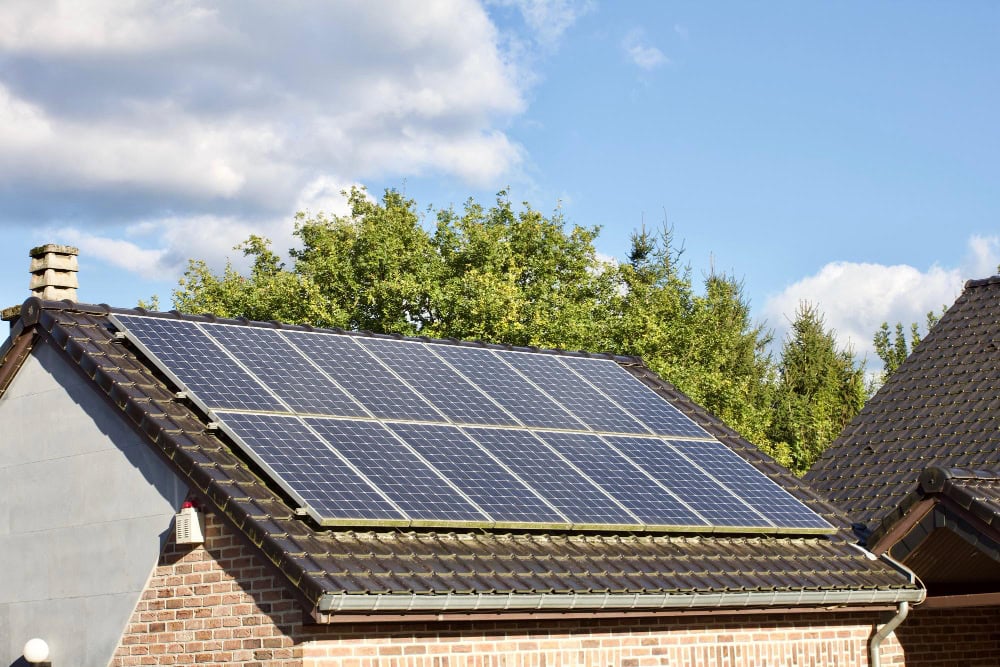
uk solar panels system
The Smart Export Guarantee Should Not Be Ignored
The Smart Export Guarantee, often shortened to SEG, allows eligible households to receive payment for electricity exported to the grid.
This can improve the overall return from solar panels, particularly for households that generate more electricity than they use during the day.
However, SEG rates vary between suppliers and homeowners usually need to sign up to a suitable export tariff. Payments are not automatic simply because solar panels have been installed.
The Energy Saving Trust’s SEG guide explains that homeowners usually need an eligible renewable system, MCS certification and a smart meter to qualify.
Export income can be helpful, but for many households the strongest savings still come from reducing imported electricity.
Solar Panels and VAT Relief
Installation cost is one of the biggest considerations when assessing whether solar panels are worthwhile.
At the time of writing, certain energy-saving materials, including solar panels, can qualify for VAT relief when installed in residential properties. The official GOV.UK guidance on VAT for energy-saving materials sets out the rules in more detail.
This can make a noticeable difference to upfront costs, particularly when solar panels are installed alongside other qualifying energy-saving measures.
Because VAT rules can change, homeowners should always check the latest guidance and confirm how VAT is being applied before accepting a quote.
Solar Panels Work Best as Part of a Wider Energy Plan
The best results often come when solar panels are considered as part of a wider household energy strategy rather than a standalone purchase.
This may include:
- Using more electricity during daylight hours
- Adding solar battery storage
- Choosing a suitable export tariff
- Installing an EV charger
- Improving insulation
- Replacing inefficient appliances
- Monitoring electricity use more closely
For example, a household with an electric vehicle may be able to use more solar electricity by charging during the day. A household with battery storage may be able to store surplus electricity for evening use. A household with poor energy habits may generate plenty of solar electricity but still import heavily from the grid.
This is why solar savings are not only about generation. They are also about how the electricity is used.
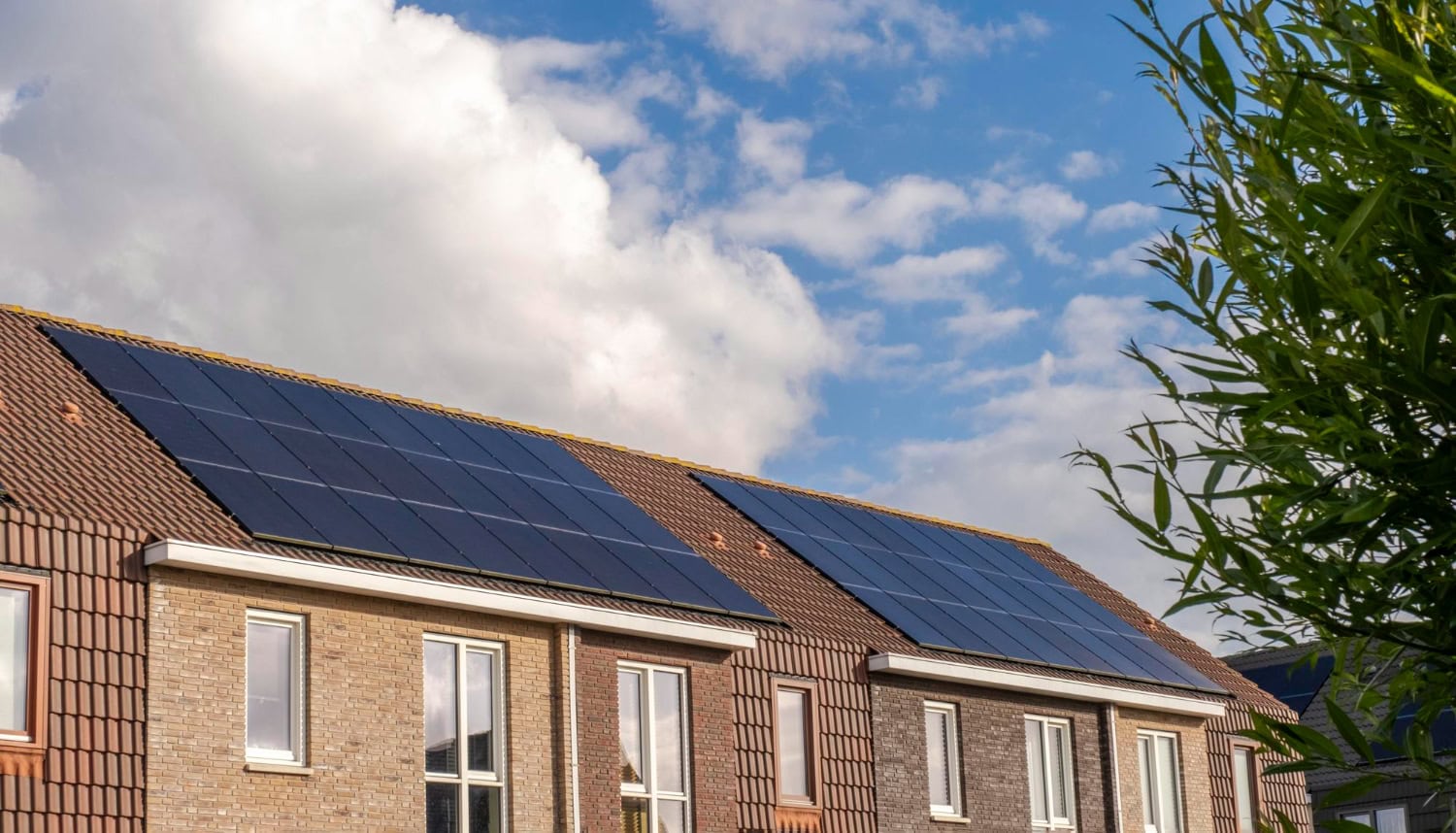
soalr panels uk home
Common Reasons Solar Panel Savings Disappoint
When homeowners are disappointed with solar returns, the cause is often one of the following:
- The system was too small for the household’s electricity demand
- The system was oversized without enough self-consumption
- The roof had more shading than expected
- The household exported too much electricity at low rates
- No battery storage was included where one would have helped
- The export tariff was poor or not set up correctly
- The homeowner expected solar panels to remove their bill entirely
- The system was poorly designed or poorly explained
Solar panels can reduce electricity bills significantly, but they do not normally remove standing charges and they do not eliminate grid reliance entirely.
Clear expectations are important. A good installer should explain likely generation, likely savings, export assumptions, battery options and payback expectations before the system is installed.
Are Solar Panels Still Worth It?
For many UK homeowners, solar panels are still worth considering, particularly where the property has a suitable roof and the household can use a reasonable proportion of the electricity generated.
The strongest results are usually seen where:
- The roof has good solar exposure
- Shading is limited
- The system is correctly sized
- The household uses electricity during the day
- Battery storage is considered where appropriate
- A suitable SEG tariff is chosen
- The installation is completed by a reputable, accredited installer
Solar panels should be viewed as a long-term investment rather than a quick fix. The panels themselves can last for decades, although components such as inverters may need replacing during the system’s lifetime.
When properly specified and installed, a solar PV system can reduce energy bills, increase control over electricity use and protect households from future price uncertainty.
Final Thoughts
The difference between a strong solar investment and a disappointing one often comes down to design, usage and expectations.
It is not enough to ask how many panels will fit on the roof. Homeowners should ask how much electricity they are likely to use themselves, whether battery storage would improve the return, what export tariff is available and whether the system has been designed around the property rather than a generic package.
For households looking to reduce electricity bills, solar panels can still offer excellent long-term value. The key is making sure the system is designed to save money in the real world, not just look good on a quote.